Understanding Astaxanthin: The Powerful Antioxidant
Astaxanthin is a vibrant, red pigment that belongs to the carotenoid family, renowned for its potent antioxidant properties. Found predominantly in microalgae and certain seafood, such as shrimp and salmon, astaxanthin has garnered significant attention in recent years due to its myriad health benefits. From bolstering immune function to improving skin health and enhancing athletic performance, this powerful antioxidant offers a wide array of advantages that can elevate overall wellbeing. When exploring options, astaxanthin provides comprehensive insights into its benefits and uses, making it a valuable addition to anyone's health regimen.
What is Astaxanthin?
Astaxanthin is a natural carotenoid produced by the microalga Haematococcus pluvialis, along with other sources like the pink flesh of salmon and flamingos. Unlike many other carotenoids, astaxanthin does not convert to vitamin A but instead acts as a powerful antioxidant on its own. Its unique molecular structure allows it to cross biological membranes easily and exert its effects in both the aqueous and lipid phases of cells, which enhances its biological activity. This capability positions astaxanthin as one of the most effective antioxidants known, significantly more potent than its counterparts like beta-carotene and lutein.
The Benefits of Astaxanthin for Health
The health benefits of astaxanthin are wide-ranging, supporting various systems in the body. Some notable benefits include:
- Anti-inflammatory properties: Astaxanthin has been shown to reduce inflammation, which is a precursor to many chronic diseases, including heart disease and diabetes.
- Eye health support: Its ability to penetrate the eye and protect against oxidative damage helps reduce eye strain and lower the risk of age-related macular degeneration.
- Cardiovascular protection: Astaxanthin contributes to improved lipid profiles by reducing LDL cholesterol and triglycerides while increasing HDL cholesterol, promoting heart health.
- Immune system enhancement: The antioxidant properties bolster the immune response, preparing the body to combat infections more effectively.
- Skin health improvement: Its photoprotective properties help in fighting UV-induced damage and improving skin elasticity.
Natural Sources of Astaxanthin
While astaxanthin supplements are widely available, obtaining astaxanthin through natural sources can be beneficial. The most significant dietary sources include:
- Krill and shrimp: These marine crustaceans are rich in astaxanthin, providing a natural source that is easily absorbed by the body.
- Salmon: Particularly wild-caught salmon, is well-known for its high levels of this carotenoid, which contributes to its distinctive pink hue.
- Trout: Similar to salmon, trout is another excellent source of astaxanthin, rich in health benefits.
- Microalgae: Haematococcus pluvialis, the primary source of astaxanthin supplements, can also be consumed directly in powdered form.
- Other seafood: Shellfish such as crab and lobster also provide beneficial levels of astaxanthin.
Choosing the Right Astaxanthin Supplement
With multiple options available on the market, selecting the right astaxanthin supplement can be daunting. The effectiveness of these products can vary significantly based on several factors, including purity, source, and formulation.
Factors to Consider When Selecting Astaxanthin
When looking for a high-quality astaxanthin supplement, consider these key factors:
- Source: Verify that the astaxanthin is derived from natural sources, preferably from microalgae, as synthetic astaxanthin may not offer the same health benefits.
- Dosage: Look for supplements providing a dosage of at least 4 mg per serving, which is often considered effective based on current research.
- Purity: Choose products that are free from contaminants, such as heavy metals or pesticides, which can undermine health benefits.
- Formulations: Assess whether the supplement is combined with other substances, such as oils or vitamins, that can enhance absorption.
Different Forms of Astaxanthin Supplements
Astaxanthin is available in several forms, including:
- Softgels: Often the most popular form, softgel capsules contain oil-based astaxanthin, which enhances absorption.
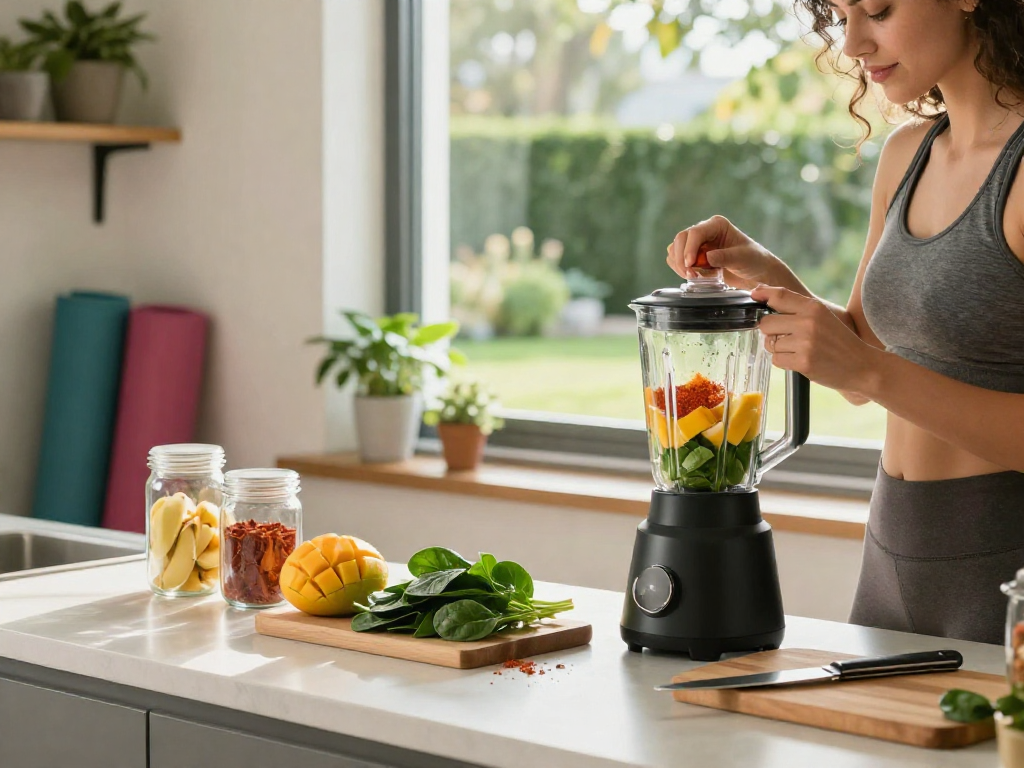
- Powder: This form can be mixed into smoothies or foods, providing a versatile addition to the diet.
- Liquid: Liquid astaxanthin can be added to beverages for easy consumption.
Recommended Dosages for Optimal Results
The optimal dosage of astaxanthin can vary based on individual needs, but a common recommendation is between 4 to 12 mg per day. For athletes or those engaged in high-intensity exercise, doses on the higher end of this spectrum may be beneficial to combat oxidative stress and inflammation.
Astaxanthin in Skin Health and Beauty
Astaxanthin's remarkable properties extend beyond internal health, significantly impacting skin health and beauty. Its use in cosmetic formulations has been on the rise due to its protective and rejuvenating effects.
How Astaxanthin Supports Skin Health
This carotenoid helps protect the skin from UV radiation, reducing the incidence of sunburn and long-term damage. Studies suggest that astaxanthin can increase skin elasticity and moisture while decreasing the appearance of fine lines and wrinkles. Its ability to combat free radicals also plays a critical role in preventing premature aging.
Incorporating Astaxanthin into Your Skincare Routine
For those looking to enhance their skincare routine with astaxanthin, consider these tips:
- Look for topical formulations: Many skincare products now include astaxanthin as a key ingredient, providing direct benefits to the skin.
- Supplementation: Taking astaxanthin supplements can support skin health from the inside, offering protective benefits against sun exposure and aging.
- Combine with other antioxidants: Using astaxanthin alongside other antioxidants, such as vitamin C and E, can create a comprehensive skincare strategy.
Real-Life Results: Astaxanthin and Anti-Aging
Numerous studies have demonstrated the anti-aging effects of astaxanthin. Participants using astaxanthin supplements reported improvements in skin elasticity, hydration, and overall complexion. Some researchers noted that astaxanthin's unique structure allows it to improve blood circulation to the skin, aiding in its rejuvenation.
Astaxanthin for Athletes and Active Individuals
Astaxanthin is increasingly recognized for its benefits among athletes and those leading active lifestyles, particularly for its role in enhancing performance and recovery.
Role of Astaxanthin in Sports Performance
The antioxidant properties of astaxanthin can help combat oxidative stress triggered by intense physical activity. This reduction in oxidative damage may lead to improved endurance and performance in athletes, allowing them to train harder and longer.
Post-Workout Recovery with Astaxanthin
Astaxanthin is believed to significantly aid in post-workout recovery. By reducing inflammation and oxidative stress, it can help minimize muscle soreness and accelerate recovery times, allowing athletes to maintain their training intensity without prolonged downtime.
Case Studies: Athletes Who Benefit from Astaxanthin
Several athletes have reported favorable outcomes from incorporating astaxanthin into their training regimens. For example, endurance runners indicated reduced muscle fatigue and improved post-race recovery times. These testimonials align with scientific findings, suggesting that astaxanthin might be a valuable addition to any athlete's supplement stack.
The Future of Astaxanthin Research
As interest in astaxanthin continues to grow, promising research avenues are being explored to uncover even more potential benefits.
Emerging Studies on Astaxanthin's Health Benefits
Recent studies have begun to focus on astaxanthin's potential role in chronic disease prevention and cognitive health. Early findings indicate its capability in reducing markers associated with chronic diseases, supporting cardiovascular health, and protecting against neurodegenerative disorders.
Astaxanthin and Chronic Disease Prevention
Research has suggested that astaxanthin may lower the risk of developing various chronic diseases due to its anti-inflammatory and antioxidant effects. By mitigating oxidative stress and inflammation, it may play a crucial role in preventing conditions like heart disease, diabetes, and arthritis.
Predictions for Astaxanthin Trends in 2026 and Beyond
Looking ahead to 2026 and beyond, astaxanthin is expected to gain prominence in both dietary supplements and beauty products. As research validates its vast health benefits, consumers will likely seek out astaxanthin-rich products, elevating its status in the health and wellness industry.
What is astaxanthin and how does it work?
Astaxanthin is a carotenoid that works by neutralizing free radicals and protecting cells from oxidative stress. Its unique ability to cross cellular membranes enhances its protective effects throughout the body.
Are there any side effects from taking astaxanthin?
Astaxanthin is generally considered safe for most individuals. However, some may experience mild side effects such as stomach upset or changes in skin pigmentation. It's always advisable to consult with a healthcare professional before starting any new supplement.
How does astaxanthin compare to other antioxidants?
Astaxanthin stands out among antioxidants due to its unique chemical structure and ability to function in both aqueous and lipid environments, making it significantly more effective than many other antioxidants, including vitamin C and E.
Can astaxanthin improve exercise performance?
Yes, studies suggest that astaxanthin can enhance exercise performance by reducing inflammation and oxidative stress, allowing athletes to recover faster and perform at higher levels.
Where can I find high-quality astaxanthin supplements?
High-quality astaxanthin supplements can be found at health food stores, pharmacies, and online retailers specializing in dietary supplements. Always look for products that disclose their sourcing and purity levels for the best results.