
Exploring Asian Cuisine
Asian cuisine is a vibrant tapestry of flavors, techniques, and traditions that reflects the diverse cultures across the continent. From the spicy notes of Thai curries to the delicate balance of flavors in Japanese sushi, the culinary traditions of Asia offer an unparalleled gastronomic journey. With an increasing interest in Asian culture, especially among Spanish-speaking communities, platforms like https://hanadultalk.com serve as bridges, connecting enthusiasts to authentic experiences through accessible content. This article delves into the rich diversity of Asian culinary traditions, essential cooking techniques, and the cultural significance of food in Asian societies.
Understanding the Diversity of Asian Culinary Traditions
Asia is home to a multitude of culinary styles, each with unique characteristics shaped by geography, history, and culture. These traditions can be broadly categorized into several regional cuisines, including:
- East Asian Cuisine: Encompasses food from China, Japan, and Korea, often highlighting rice, noodles, and soy products.
- South Asian Cuisine: Includes Indian, Pakistani, and Bangladeshi cuisines, known for their use of spices and herbs such as cumin, coriander, and turmeric.
- Southeast Asian Cuisine: A fusion of flavors from countries like Thailand, Vietnam, and Malaysia, combining sweet, sour, spicy, and salty tastes.
- Central Asian Cuisine: Influenced by nomadic cultures, featuring meats, dairy, and bread as staples.
- Middle Eastern Cuisine: Characterized by the use of spices, grains, and legumes, focusing on dishes like kebabs and hummus.
Key Ingredients and Their Uses in Cooking
Understanding the key ingredients is essential for anyone wanting to explore Asian cooking. Here are some staples found across various Asian cuisines:
- Rice: A primary carbohydrate source, used in countless dishes from sushi to biryani.
- Noodles: Various forms, such as udon, soba, and rice noodles, serve as foundational components in many meals.
- Spices and Herbs: Ingredients like ginger, garlic, and chili peppers are vital for flavoring dishes, while fresh herbs, such as cilantro and basil, add brightness to meals.
- Fermented Products: Soy sauce, kimchi, and miso provide depth and umami to dishes.
- Seafood: Integral to many coastal cuisines, providing both protein and flavor in soups, stir-fries, and sushi.
Regional Differences: A Culinary Journey Through Asia
Each region’s cuisine has distinct traits influenced by local ingredients and traditions. For example:
- China: Features regional variations such as Sichuan’s spicy offerings and Cantonese dim sum.
- Japan: Emphasizes seasonality and presentation, with sushi and ramen being globally recognized staples.
- India: Offers a diverse array of vegetarian and meat dishes, often accompanied by bread like naan or rice.
- Thailand: Known for its balance of flavors, with dishes that expertly combine sweet, sour, salty, and spicy tastes.
- Vietnam: Celebrated for its fresh ingredients, pho is a quintessential dish that embodies Vietnam’s culinary philosophy.
Cooking Techniques for Asian Dishes
To truly appreciate Asian cuisine, mastering specific cooking techniques is crucial. Each method enhances flavors and textures, resulting in authentic dishes.
Essential Cooking Methods: Steaming, Stir-Frying, and More
Common cooking techniques used in Asian cuisine include:
- Steaming: A healthy method that preserves nutrients, often used for dumplings, fish, and vegetables.
- Stir-Frying: Quick cooking over high heat in a small amount of oil, ideal for preserving the crunchiness of vegetables.
- Boiling: Common in noodle dishes and soups, allowing flavors to meld in broths.
- Grilling: Popular in dishes like Korean barbecue, showcasing marinated meats cooked over open flames.
- Fermenting: A vital technique for creating flavors through time, leading to products like kimchi and miso.
Tools and Equipment Every Home Chef Needs
Having the right tools can significantly enhance the cooking experience. Essential tools for Asian cuisine include:
- Wok: A versatile pan used for stir-frying, deep-frying, and steaming.
- Rice Cooker: An appliance that ensures perfectly cooked rice effortlessly.
- Mandoline: A slicing tool for cutting vegetables uniformly, crucial for presentation and cooking times.
- Mortar and Pestle: Ideal for grinding spices and making pastes.
- Steam Basket: Used in conjunction with a wok for steaming dumplings and vegetables.
Common Mistakes to Avoid When Cooking Asian Cuisine
While experimenting with Asian dishes, it’s essential to evade common pitfalls, such as:
- Overcooking vegetables leading to loss of flavor and texture.
- Using too much soy sauce, which can overpower dishes instead of enhancing them.
- Neglecting to prep ingredients beforehand, which can disrupt the cooking process.
- Not tasting as you cook, missing the opportunity to adjust flavors to your preference.
- Ignoring the importance of presentation, which is highly valued in many Asian cultures.
Recipes to Try Today
Bringing Asian flavors into your kitchen can be an exciting adventure. Here are some recipes to start with:
Beginner-Friendly Asian Recipes
For those new to Asian cuisine, consider these simple yet flavorful dishes:
- Vegetable Stir-Fry: A quick dish that allows for variations based on your favorite vegetables.
- Simple Fried Rice: Perfect for using leftover rice, packed with veggies, and protein of choice.
- Chicken Teriyaki: A sweet and savory dish that’s easy to prepare and universally loved.
Authentic Dishes to Impress Your Friends
For a more advanced culinary challenge, try your hand at:
- Peking Duck: A classic Chinese dish known for its crispy skin and rich flavor.
- Beef Bulgogi: A Korean favorite marinated in a flavorful sauce before grilling.
- Pad Thai: A Thai staple, with a balance of sweet, sour, and salty flavors.
Healthy Asian Cooking Options
Integrating health-conscious meals is simple with Asian cuisine:
- Seaweed Salad: A light and nutritious starter that’s packed with vitamins.
- Sushi Rolls: Create your own rolls with fresh vegetables and fish, using brown rice for added fiber.
- Miso Soup: A comforting soup that offers probiotics and a savory umami flavor.
Pairing Food and Culture
Food is a significant aspect of cultural identity, especially in Asia. It reflects traditions and brings communities together, often playing a vital role in celebrations and daily life.
The Role of Food in Asian Cultures
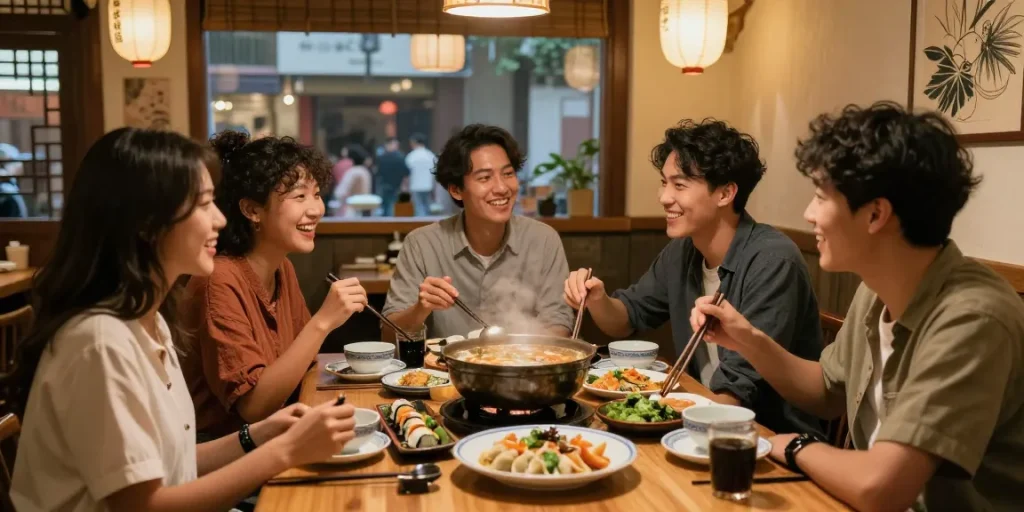
Asian food practices illustrate the values and philosophies of various cultures. For instance, the communal style of dining in many Asian countries fosters a sense of community and belonging.
Celebrating Festivals: Food and Traditions
Festivals across Asia are often marked by specific dishes that symbolize prosperity, health, and good fortune, such as:
- Chinese New Year: Serving dumplings for wealth and fish for abundance.
- Diwali: The Indian festival of lights celebrates with sweets and snacks.
- Ramadan: Iftar meals that feature dates, fruits, and savory dishes to break the fast.
Using Food to Bridge Cultural Gaps
Food is a universal language that can help foster understanding and respect among diverse cultures. By sharing traditional meals, individuals can engage in meaningful conversations about heritage and beliefs.
Future Trends in Asian Cuisine
The culinary landscape is ever-evolving, with Asian cuisine at the forefront of trends that captivate food lovers worldwide.
Emerging Trends: Fusion and Innovation
Fusion cuisine, which melds elements from different culinary traditions, is gaining traction. Dishes like Korean tacos, sushi burritos, and Thai-inspired pizzas reflect this innovative approach.
The Impact of Social Media on Culinary Trends
Platforms like Instagram and TikTok play a crucial role in popularizing Asian dishes, making them more accessible and appealing to younger generations. Viral trends inspire home cooks and professional chefs alike to experiment and innovate.
How to Stay Ahead in the Culinary Scene for 2026
To remain relevant in the dynamic culinary landscape, chefs and home cooks should embrace the following practices:
- Incorporate sustainable ingredients to cater to environmentally conscious consumers.
- Experiment with plant-based versions of traditional dishes to meet the growing demand for vegetarian options.
- Engage with local communities to understand their culinary preferences and traditions.
What Are the Health Benefits of Asian Cuisine?
Asian cuisine typically emphasizes fresh vegetables, lean proteins, and whole grains, contributing to a healthy diet. Dishes rich in spices also offer numerous health benefits, including anti-inflammatory properties and improved digestion.
Can Cooking Asian Food Improve Your Culinary Skills?
Embracing Asian cooking techniques can enhance your culinary repertoire, promoting precision and creativity. The diverse range of flavors and styles encourages experimentation, helping you develop a more sophisticated palate.
What Should Beginners Know About Asian Cooking?
Beginners should focus on mastering a few essential ingredients and techniques. Familiarizing yourself with staple items such as soy sauce, rice, and spices will pave the way for success in preparing various dishes.
How to Choose the Right Ingredients for Asian Dishes?
When selecting ingredients, consider freshness and authenticity. Whenever possible, opt for fresh produce and high-quality proteins to elevate your dishes.
What Are the Most Popular Asian Dishes to Make at Home?
Home cooks often gravitate towards widely recognized dishes like pho, sushi, and pad thai because of their familiar flavors and relatively straightforward preparation methods.