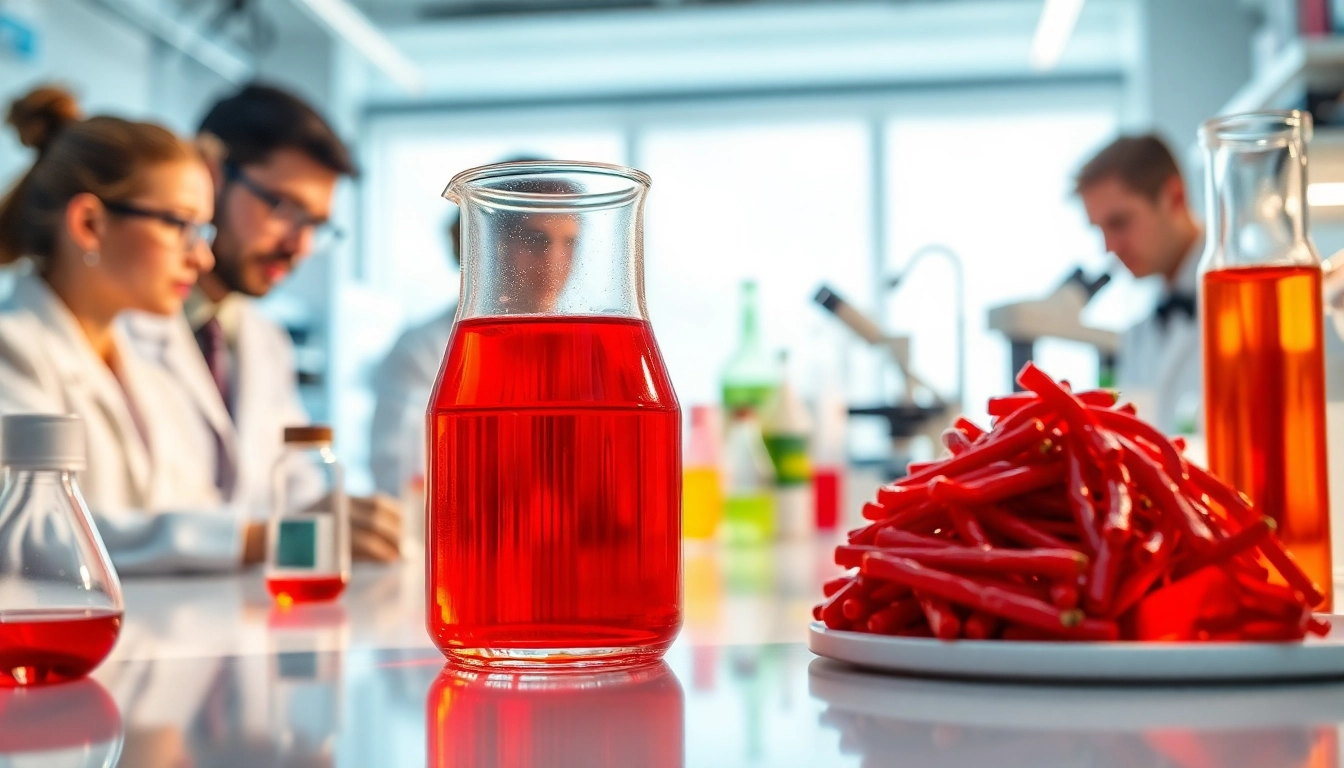
Understanding Astaxanthin
What is Astaxanthin?
Astaxanthin is a carotenoid pigment that is naturally occurring, predominantly found in marine organisms such as shrimp, crabs, and certain species of algae. With its striking reddish-orange color, it plays a vital role in providing the pigmentation to various aquatic creatures. This compound is classified as a potent antioxidant, renowned for its ability to combat oxidative stress in cells, thereby contributing significantly to overall health.
Importance of Astaxanthin in Nature
Astaxanthin serves multiple essential functions in nature. It provides coloration to marine species which can impact mating and predation. Moreover, it is crucial for the photosynthesis process in microalgae, capturing sunlight and aiding in energy production. In the food chain, astaxanthin-rich organisms serve as a key dietary component for fish and birds, thus playing a critical role in maintaining ecological balance.
Health Benefits of Astaxanthin
The health benefits of astaxanthin have garnered attention from experts and health enthusiasts alike. Studies indicate that this potent antioxidant may possess anti-inflammatory properties, support skin health, enhance immune function, and improve endurance during exercise. Furthermore, astaxanthin has been linked to improved eye health and cognitive functions, making it an interesting subject for ongoing research and nutritional supplementation.
How is Astaxanthin Produced?
Natural Sources of Astaxanthin
Natural sources of astaxanthin primarily include microalgae, particularly Haematococcus pluvialis, which is considered one of the richest sources. Astaxanthin is also found in salmon, trout, and some forms of krill. These aquatic sources produce astaxanthin as a means of protection against environmental stressors such as UV radiation and oxidative damage, showcasing nature's incredible ability to utilize this powerful nutrient for survival.
Chemical Processes in Production
Beyond its natural occurrence, astaxanthin can also be synthesized through various chemical processes. The chemical synthesis of astaxanthin often involves the utilization of organic compounds derived from oil, such as beta-carotene. This synthetic method allows industries to produce astaxanthin in a more controlled environment, thereby maintaining consistency and potentially lowering production costs while addressing market demand. The synthesis process can vary widely based on the desired purity and application of the finished product.
Environmental Impact of Production
The production of astaxanthin, whether from natural sources or synthetic processes, holds significant implications for the environment. Farming of astaxanthin-producing algae can lead to nutrient runoff issues, impacting local ecosystems. Conversely, production through synthetic means raises concerns related to resource depletion and chemical waste. Therefore, it is crucial for producers to adopt sustainable practices, ensuring that the environmental footprint is minimized while meeting consumer demands for quality and sustainability.
Extraction Techniques for Astaxanthin
Traditional Methods of Extraction
Various traditional methods have been used to extract astaxanthin, primarily from microalgae. Methods such as solvent extraction, where organic solvents are employed, have been common. These techniques, while effective, can extract not only the desired pigment but also unwanted substances, potentially affecting the purity of the end product. Additionally, traditional methods can be time-consuming and require careful handling to avoid degradation of the astaxanthin during extraction.
Modern Extraction Technologies
Modern extraction technologies have been developed to enhance the efficiency and purity of astaxanthin extraction. Supercritical carbon dioxide (SC-CO2) extraction, for instance, uses high-pressure carbon dioxide as a solvent, providing a more environmentally friendly option that avoids the use of toxic chemicals. This technique not only extracts astaxanthin with high yield and purity but also preserves the stability of bioactive compounds, making it increasingly popular in commercial applications.
Comparative Analysis of Techniques
When comparing traditional and modern extraction techniques, several factors must be evaluated, including yield, purity, safety, and environmental impact. While traditional methods are simpler and familiar, modern techniques often offer higher efficiency and reduced environmental footprint. It is essential for astaxanthin producers to assess their specific needs and resources to determine the most appropriate method for their applications, balancing cost, quality, and sustainable practices.
Quality Assurance in Astaxanthin Production
Standard Testing Methods
To ensure the quality of astaxanthin products, various standard testing methods are employed. High-performance liquid chromatography (HPLC) is a widely accepted technique for analyzing astaxanthin concentration and purity. Other methods may include spectrophotometry and mass spectrometry, which help identify the chemical composition and detect any adulterants. Consistent testing is crucial for maintaining product integrity and consumer trust.
Regulatory Compliance Requirements
Ensuring compliance with regulatory standards is paramount in astaxanthin production. Regulations may vary by region, but they generally cover safety assessments, labeling requirements, and production practices. Manufacturers must stay informed about these regulations to ensure that their processes meet all legal standards while providing safe and beneficial products to consumers.
Quality Control in the Process
Integrating robust quality control measures throughout the production process is essential to ensure that astaxanthin meets required standards. This includes implementing good manufacturing practices (GMP), conducting regular audits, and training personnel on quality assurance protocols. By developing a systematic approach to quality control, producers can effectively manage risks and enhance consumer safety and product quality.
Future of Astaxanthin Production
Emerging Trends in Production Methods
The future of astaxanthin production is promising, with several emerging trends shaping the landscape. Advances in biotechnology are leading to more efficient production methods, including genetic engineering of algae strains to enhance astaxanthin yield. Additionally, bioreactor technology offers precise control over growth conditions, which can significantly improve both quality and yield. These innovations contribute to a more sustainable production model that meets growing global demands.
Sustainability in Astaxanthin Production
Sustainability will play a critical role in the future of astaxanthin production. The shift towards eco-friendly practices, such as reducing water usage and minimizing carbon emissions, is becoming increasingly important. Producers are exploring closed-loop systems for algae cultivation that recycle nutrients and water, ultimately decreasing environmental impact. Consumer awareness regarding sustainability is also influencing market dynamics, prompting suppliers to adopt greener production techniques.
Market Demand and Innovations
The demand for astaxanthin has been rising steadily, not only in dietary supplements but also in cosmetics and functional foods. As health-conscious consumers seek potent antioxidants, innovations in product formulation and delivery systems are expected to emerge. This creates opportunities for manufacturers to diversify their offerings and tap into new market segments. By staying ahead of consumer trends and innovations, astaxanthin producers can secure a competitive edge in the marketplace.
Frequently Asked Questions
What are the main sources of astaxanthin?
The primary sources of astaxanthin include microalgae, particularly Haematococcus pluvialis, as well as certain seafood like salmon and krill.
Is astaxanthin safe for consumption?
Astaxanthin is generally recognized as safe when consumed in recommended amounts. However, individuals should consult healthcare professionals if they have health concerns.
What are the health benefits of astaxanthin?
Astaxanthin is known for its antioxidant properties, which may support skin health, reduce inflammation, and enhance stamina during exercise.
How is astaxanthin extracted?
Astaxanthin can be extracted using various methods, including traditional solvent extraction and modern techniques like supercritical CO2 extraction for better purity.
Can astaxanthin be synthesized?
Yes, astaxanthin can be synthesized chemically from organic compounds, allowing for consistent production in a controlled environment.
Understanding how is astaxanthin produced facilitates better consumer choices and supports the growing demand for this powerful antioxidant. By identifying effective techniques and sustainable practices, the industry can continue to thrive while meeting health and environmental standards.