Understanding the Importance of Loyalty in Small Businesses
In today’s competitive market, establishing customer loyalty is crucial for the growth and sustainability of small businesses. With consumer preferences constantly evolving, businesses must adapt to meet the needs of their clientele. Implementing a solid loyalty program is one effective strategy to cultivate this essential loyalty and drive repeat business. The rise of digital solutions has revolutionized how these loyalty programs operate, allowing small businesses to connect with their customers in more meaningful ways. For instance, exploring loyalty options can help streamline the process and enhance customer engagement.
What is Customer Loyalty?
Customer loyalty refers to a consumer's commitment to repurchase or continue using a brand's products or services. It is marked by an emotional connection that fosters trust and repeat transactions. In small businesses, fostering this connection can lead to increased sales, greater brand recognition, and a more robust customer base. Loyal customers not only return but often advocate for your brand, influencing new customer acquisition through recommendations and positive reviews.
The Role of Loyalty Programs in Retention
Loyalty programs are structured marketing strategies designed to encourage customers to continue engaging with a business. These programs reward repeat customers by offering incentives tailored to their preferences. Effective loyalty programs can significantly enhance customer retention rates, ensuring that businesses maintain a steady revenue stream. One major advantage of loyalty programs is that they provide valuable insights into customer behavior, enabling businesses to refine their offerings and marketing strategies.
Benefits of Digital Loyalty Solutions
Digital loyalty solutions streamline the customer experience, making it easier for businesses to track purchases and reward customers. Unlike traditional paper-based systems, digital loyalty programs are more convenient, environmentally friendly, and easier to manage. They allow small businesses to automate reward tracking, communication, and customer insights—all contributing to enhanced customer satisfaction and loyalty. Moreover, digital applications can integrate with existing systems, providing a seamless customer experience while collecting vital data on consumer behavior.
How BonusQR Enhances Customer Loyalty
Features That Drive Customer Engagement
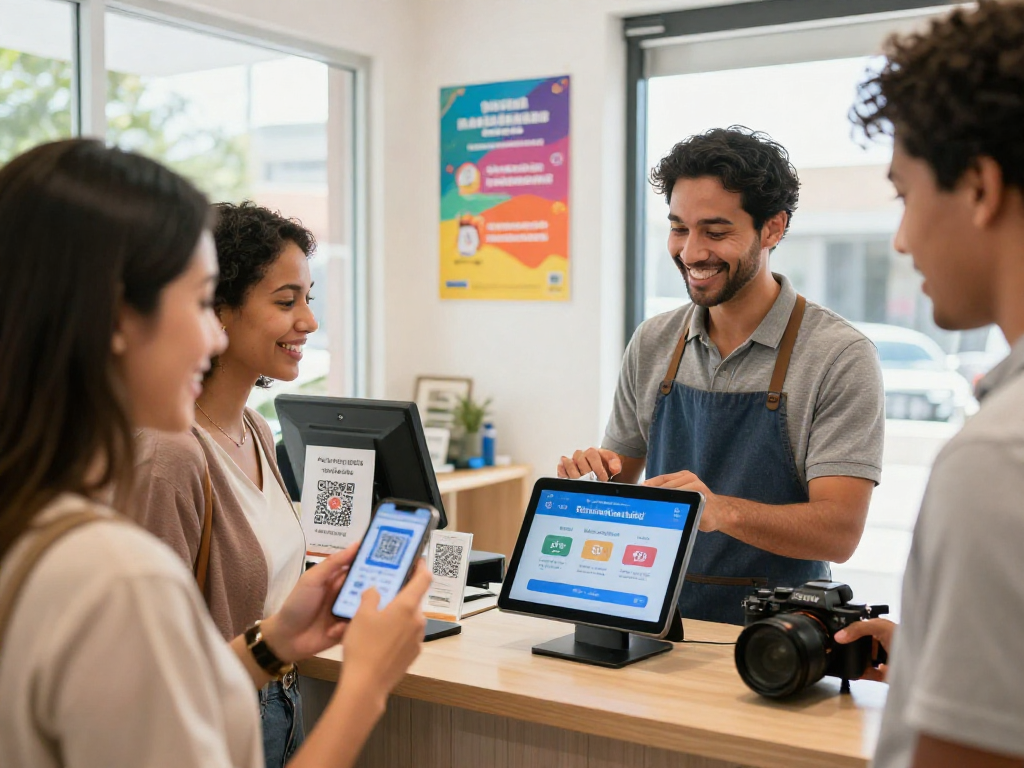
BonusQR offers a comprehensive suite of features designed to enhance customer engagement and streamline loyalty programs. With QR-based stamp cards, customers can earn rewards simply by scanning their QR codes during purchases. This method not only simplifies the redemption process but also encourages repeat visits. Furthermore, the system is designed to track customer interactions, allowing businesses to gain insights into consumer preferences and behaviors.
Automated Marketing for Loyalty Programs
Automation is a game-changer in the realm of loyalty programs. BonusQR provides tools for automated marketing, allowing businesses to send targeted promotions, reminders for special occasions, and personalized offers without manual input. This functionality ensures that customers receive relevant communications, enhancing the likelihood of repeat visits and reinforcing their loyalty.
Real-time Analytics and Insights for Growth
Analytics play a crucial role in evaluating the performance of a loyalty program. BonusQR provides real-time insights into customer behavior, sales patterns, and program effectiveness. This data is invaluable for small businesses seeking to refine their marketing strategies, improve customer engagement, and ultimately boost their bottom line. By understanding which rewards resonate most with customers, businesses can make informed decisions that drive loyalty and generate sales growth.
Implementing a Successful Loyalty Program
Steps to Launch Your Loyalty App
Launching a loyalty app like BonusQR can be a straightforward process. Begin by defining your goals and understanding your target audience. Next, outline the structure of your program, including the types of rewards and incentives you wish to offer. Once your plan is in place, integrate the app into your existing systems and ensure staff are trained to guide customers through the process. Finally, promote your new loyalty program to your customers to encourage sign-ups and engagement.
Choosing the Right Structure for Your Program
Not all loyalty programs are created equal, and selecting the right structure is critical for success. Common types of loyalty programs include points-based systems, tiered rewards, and referral programs. Assess your customer demographics and purchasing behaviors to determine which model will be most effective for your business. Tailoring your program to fit your clientele's preferences will significantly enhance its effectiveness.
Common Mistakes to Avoid When Setting Up
When setting up a loyalty program, it's essential to avoid common pitfalls. One major mistake is overcomplicating the program, which can deter customer participation. Ensure your program is easy to understand and accessible. Additionally, failing to promote your loyalty program can result in low engagement—actively market your initiative through social media, in-store signage, and email marketing campaigns. Finally, be cautious about the rewards you offer; ensure they are desirable and attainable to maintain customer motivation.
Innovative Loyalty Program Ideas for Small Businesses
Creative Approaches to Reward Customers
To stand out in a crowded market, consider implementing innovative ideas into your loyalty program. For example, you could introduce a special tier of rewards for customers who visit during off-peak hours, providing an incentive for increased traffic when it is typically lower. Another idea is to offer exclusive members-only events or promotions, fostering a sense of community and belonging among your customers.
Examples of Successful Loyalty Programs in 2026
As the landscape of consumer loyalty continues to evolve, successful programs incorporate personalization and technology advancements. Many businesses leverage machine learning algorithms to analyze purchasing habits and predict future buys, allowing them to offer tailored recommendations and rewards. Case studies from 2026 highlight companies that have effectively utilized gamification elements, encouraging customers to engage in playful competition for rewards and fostering a stronger connection with the brand.
Gamification Strategies to Enhance Engagement
Gamification can significantly enhance customer engagement by introducing game-like elements to loyalty programs. For instance, businesses can create challenges or missions that customers can complete to earn points or rewards. Implementing leaderboards can also encourage friendly competition, motivating customers to increase their visits or spending to climb the ranks. These strategies not only make the experience more enjoyable but also reinforce customer loyalty.
Measuring the Success of Your Loyalty Program
Key Performance Indicators to Track
To determine the effectiveness of your loyalty program, it is essential to track key performance indicators (KPIs). These may include customer retention rates, average transaction value, and the number of active members in your loyalty program. Monitoring these metrics allows you to assess the program's impact and identify areas for improvement.
Tools for Evaluating Program Effectiveness
Utilizing analytical tools can provide valuable insights into the performance of your loyalty program. Many platforms, including BonusQR, offer comprehensive reporting features that help businesses monitor customer engagement, reward redemption rates, and overall satisfaction. By leveraging these tools, you can make data-driven decisions to optimize your program continually.
Future Trends in Customer Loyalty
The future of customer loyalty is poised for transformation as emerging technologies shape consumer behaviors. Automation, artificial intelligence, and enhanced customer personalization will drive loyalty program innovations. Businesses that embrace these trends and adapt their strategies accordingly will be better positioned to create lasting relationships with their customers.
What types of loyalty programs are most effective?
Effective loyalty programs typically combine elements of points-based rewards, personalization, and exclusivity. Programs that allow customers to customize their rewards often foster deeper engagement. This not only increases the perceived value of participation but also enhances customer satisfaction.
How can I promote my loyalty program successfully?
Successful promotion of a loyalty program involves utilizing multiple marketing channels. Leverage social media, email newsletters, and in-store signage to inform customers about your loyalty offerings. Engaging storytelling and customer testimonials can also enhance interest and participation.
What common challenges do businesses face with loyalty systems?
Businesses often encounter challenges such as low customer engagement, complexity of the program, and difficulty in measuring success. To mitigate these issues, small businesses should focus on simplifying the customer experience and actively seeking feedback to refine their programs.
How can I ensure data privacy with my loyalty program?
Data privacy is paramount in today's digital landscape. Ensuring compliance with GDPR and other regulations is essential. Clearly communicate to customers how their data will be used and implement robust security measures to protect their information.
What are the best ways to engage customers in 2026?
Engaging customers in 2026 will increasingly rely on personalized experiences and seamless interactions. For more information, loyalty offers valuable insights. Utilizing data analytics to tailor offerings and maintaining open communication channels will enhance customer relationships and loyalty.