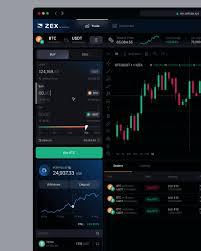
Understanding Chinese Concept Stock API
The financial world is rapidly evolving, with technology playing a crucial role in how traders and analysts access information. The Chinese concept stock API is particularly significant as it offers crucial data and insights that can enhance trading strategies and facilitate informed decision-making. This article delves into the nature of Chinese concept stock APIs, their key features, and the substantial benefits they offer for both developers and traders in the ever-competitive trading environment of 2026.
What is a Chinese Concept Stock API?
A Chinese concept stock API is a specialized application programming interface that provides access to real-time and historical data on stocks that are considered to be representative of the Chinese economy. These stocks are typically traded on international exchanges and may include companies with significant operations or connections to China. The API allows developers and traders to retrieve stock price data, trading volumes, and other relevant financial metrics efficiently.
Key Features of Chinese Concept Stock APIs
- Real-time Data Feeds: Access to live stock prices and trading activity from major exchanges.
- Historical Data: Comprehensive access to past stock performance, including pricing trends over various intervals.
- Data Formats: Availability of data via WebSocket and RESTful APIs for flexibility in integration.
- Market Depth Information: Insights into the buy and sell orders that can affect trading strategies.
- Custom Alerts: Notifications based on user-defined criteria to aid in proactive trading decisions.
Benefits for Developers and Traders
Utilizing a Chinese concept stock API offers several advantages for both developers creating trading applications and traders looking to optimize their investment strategies. The ability to access accurate and timely data allows for high-frequency trading and algorithmic trading strategies that can capitalize on minute price fluctuations.
Moreover, developers can build custom features around the API, such as advanced analytics tools, risk management systems, and portfolio optimization algorithms, which can further enhance the trading experience. This adaptability makes the Chinese concept stock API a valuable asset in a trader's toolkit.
Real-Time Market Data Access
Importance of Real-Time Data in Trading
In the trading world, real-time data is akin to the pulse of the market. Traders need timely updates to make quick decisions, especially in environments where stock prices can fluctuate significantly within seconds. The Chinese concept stock API facilitates instant access to this type of data, ensuring that traders remain informed and capable of executing trades at optimal times.
How to Leverage APIs for Instant Data Retrieval
Leveraging APIs for real-time data retrieval involves integrating these APIs into existing systems or platforms. By employing techniques such as WebSocket connections, developers can maintain a continuous stream of data that captures live market movements. This integration allows traders to react swiftly to changes, enhancing their competitive edge.
Comparing Real-Time Data Providers
When selecting a real-time data provider, it is essential to evaluate several factors, including data accuracy, latency, cost, and the range of available market data. Ensuring that the selected Chinese concept stock API provides comprehensive coverage of the relevant exchanges is crucial for effective trading.
Integration with Trading Platforms
Steps to Integrate Chinese Concept Stock API
Integrating a Chinese concept stock API into a trading platform typically involves the following steps:
- API Key Acquisition: Register with the API provider to obtain a unique API key.
- Documentation Review: Familiarize yourself with the API's documentation to understand available endpoints and data structures.
- Development: Write code to connect to the API and handle data retrieval, processing, and presentation.
- Testing: Conduct thorough testing to ensure that the API integration works as expected under various market conditions.
- Deployment: Launch the integrated platform and monitor its performance, making adjustments as necessary.
Best Practices for API Integration
- Rate Limiting Awareness: Understand and respect the API's rate limits to avoid service interruptions.
- Error Handling: Implement robust error-handling strategies to manage connectivity issues gracefully.
- Data Caching: Use caching strategies to minimize API calls and improve performance.
Challenges and Solutions During Integration
Common challenges in integrating APIs include data inconsistencies, latency issues, and the need for continual updates based on changes in the API. To address these challenges, it is essential to maintain open communication with the API provider and implement a flexible architecture that can adapt to changes swiftly.
Utilizing Historical Data Effectively
Advantages of Historical Data for Analysis
Historical data is a powerful tool for traders and analysts, providing insights into past market movements that can inform future trading strategies. By analyzing historical trends, traders can identify patterns, seasonal effects, and potential turning points in the market.
Strategies for Analyzing Historical Stock Trends
Effective strategies for analyzing historical stock trends involve using statistical methods and advanced analytics tools. Techniques may include:
- Moving Averages: To smooth out price data and identify trends.
- Regression Analysis: To evaluate relationships between variables and forecast future prices.
- Technical Indicators: Utilization of indicators such as RSI, MACD, and Bollinger Bands to analyze price movements.
Case Studies on Successful Applications
Several trading firms have successfully leveraged historical data to devise trading strategies that outperform the market. For instance, by using a combination of historical data analysis and real-time updates from a Chinese concept stock API, traders can develop algorithmic strategies that identify optimal entry and exit points.
Future Trends in Stock APIs
Emerging Technologies in Stock Market APIs
The future of stock market APIs is bright, with emerging technologies such as artificial intelligence and machine learning playing a pivotal role in enhancing data analysis capabilities. These technologies enable more sophisticated modeling and prediction of stock price movements, potentially leading to more successful trading strategies.
Predictions for 2026: What to Expect?
By 2026, it is expected that stock APIs will provide increasingly personalized data experiences, utilizing advanced algorithms to tailor information to individual trading styles and risk appetites. Additionally, the integration of social trading features will likely allow traders to observe and replicate the strategies of successful investors.
Preparing for Changes in Trading Strategies
As technology continues to evolve, traders must remain agile and adaptive, continuously learning and adjusting their strategies to capitalize on new tools and insights. Embracing automation and data-driven decision-making will be key to thriving in the future trading landscape.
How to Stay Ahead in Stock Market Trends?
To stay ahead in the fast-paced stock market, it is essential to engage in continuous education, subscribe to relevant market research, and actively participate in trading communities. Additionally, utilizing cutting-edge tools and data sources, such as a Chinese concept stock API, will enhance traders' capabilities to make informed decisions based on the latest market developments.
What are Chinese concept stocks?
Chinese concept stocks refer to companies whose primary operations or major revenue sources are linked to China but may be listed on foreign exchanges. These stocks attract international investors seeking to capitalize on the growth of the Chinese economy.
How can APIs enhance trading strategies?
APIs enhance trading strategies by providing seamless access to real-time and historical market data, allowing traders to develop algorithms, automate trading actions, and make data-driven decisions that align with their investment goals.
What features should I look for in a stock API?
When selecting a stock API, consider features such as real-time data access, historical data availability, ease of integration, support for multiple data formats, and responsive customer service to ensure a smooth trading experience.
How do I analyze historical stock data?
Analyzing historical stock data entails utilizing statistical techniques to identify trends, patterns, and anomalies in price movements. Traders often use visualization tools to present data clearly, aiding in strategic decision-making.
What future trends should I prepare for in trading?
Future trends in trading may include increased automation, the integration of artificial intelligence for predictive analytics, and a greater emphasis on ethical trading practices as investors become more socially conscious.