
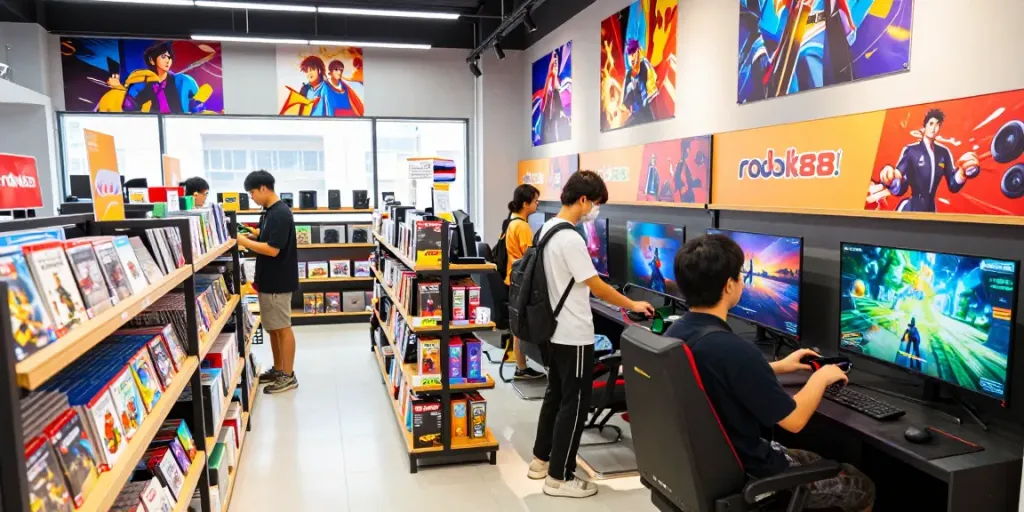
Understanding the Gaming Retail Landscape in 2026
The gaming retail sector is undergoing transformative changes in 2026, driven by technological advancements and evolving consumer behaviors. As gaming becomes more integrated into everyday life, retailers face new challenges and opportunities that reshape the industry. The competition is fierce, and understanding these dynamics is crucial for success. In this current climate, platforms like rokok88 are emerging as essential resources for both gamers and retailers to navigate the complexities of this growing market.
Current Trends Shaping Gaming Retail
Several trends are influencing the gaming retail landscape today. One of the most prominent is the rise of direct-to-consumer sales channels. Retailers are increasingly opting to sell games and merchandise directly to consumers through online platforms, bypassing traditional distribution channels. This shift allows retailers to maintain higher profit margins, offer exclusive content, and build deeper connections with their customer base.
Another significant trend is the increasing adoption of subscription services. Retailers are partnering with gaming companies to offer subscription-based access to games, which has proven to be a popular model among consumers who prefer flexibility over ownership. The rise of cloud gaming platforms has also facilitated this trend, allowing gamers to play high-quality titles without the need for expensive hardware.
User Preferences and Expectations
As gamers become more demanding, retailers must adapt to meet their needs. Customers today expect personalized experiences, responsive customer service, and seamless shopping solutions. Integrating AI-driven tools for customer service, such as chatbots and personalized recommendations, can significantly enhance the shopping experience. Additionally, community-building efforts, such as loyalty programs and exclusive events, are essential for retaining customers and fostering a sense of belonging.
Challenges Faced by Gaming Retailers
Despite the opportunities presented by these trends, gaming retailers face significant challenges. Supply chain disruptions and fluctuating demand for gaming hardware can strain inventory management systems. Retailers need to adopt sophisticated inventory strategies that use real-time data analytics, forecasting models, and efficient management systems to ensure they can respond swiftly to market changes.
Competition from both established gaming giants and emerging platforms also poses a threat. Retailers must differentiate themselves through unique offerings, customer engagement strategies, and leveraging local partnerships to stand out in a crowded marketplace.
Leveraging Technology for Enhanced Customer Experience
In this digital age, technology plays a pivotal role in shaping customer experiences in gaming retail. By embracing the right technological tools, retailers can significantly enhance user engagement, streamline operations, and ultimately drive sales.
Utilizing Augmented Reality in Gaming Stores
Augmented reality (AR) has the potential to transform the in-store experience for gamers. Retailers can use AR technology to create immersive environments where customers can experience games before purchasing. For example, interactive displays can showcase game trailers or allow customers to try out virtual game mechanics using AR headsets. This not only elevates the shopping experience but also helps in building excitement around new game releases.
Implementing Efficient Inventory Management Systems
Efficient inventory management is crucial for maintaining a competitive edge. Retailers should invest in comprehensive inventory management systems that utilize data analytics to forecast demand, track sales trends, and optimize stock levels. This allows retailers to avoid stockouts and overage, ensuring that popular items are available when customers want them.
Embracing E-commerce Integrations for Seamless Shopping
The rise of online shopping has necessitated that gaming retailers integrate their physical and online platforms. Offering a seamless shopping experience across digital and physical channels improves customer satisfaction and retention. Retailers can leverage e-commerce solutions to manage orders, facilitate click-and-collect services, and provide access to exclusive online content, bridging the gap between physical and virtual shopping environments.
Creating an Inviting In-Store Environment
The design of a gaming store goes beyond aesthetics; it plays a crucial role in influencing consumer behavior. An inviting in-store environment can enhance the shopping experience and encourage customers to spend more time exploring products.
Design Elements That Attract Gamers
Strategic design elements can attract gamers and create an inviting atmosphere. Incorporating gaming-themed decor, comfortable seating areas, and interactive displays can enhance the shopping experience. Moreover, having dedicated zones for different gaming genres encourages exploration and caters to diverse customer interests.
How Layout Impacts Shopping Behavior
The layout of a retail space can significantly impact shopping behavior. A well-thought-out layout guides customers through the store, highlighting key products while providing easy access to popular sections. For example, placing new releases near the entrance can capture initial interest and drive sales from the moment customers enter.
Innovative Marketing Strategies for Physical Stores
Retailers must adopt innovative marketing strategies to attract foot traffic to their stores. Hosting launch events, creating exclusive in-store promotions, and collaborating with local gaming influencers can drive brand awareness and consumer engagement. These strategies create memorable experiences that resonate with customers, encouraging repeat visits and fostering brand loyalty.
Building Community Connections Through Events
Community engagement is a cornerstone of retail success in the gaming industry. Hosting events that foster connections between gamers can significantly enhance customer loyalty and increase foot traffic.
Organizing Tournaments and Launch Parties
Organizing gaming tournaments for popular titles can create buzz within the local gaming community. These events not only provide a platform for gamers to showcase their skills but also build camaraderie among participants. Additionally, hosting launch parties for new games can attract significant crowds and generate excitement around product releases.
Collaborating with Local Gaming Communities
Forming partnerships with local gaming communities can enhance a retailer's connection to their customer base. Collaborating on events, offering exclusive discounts to community members, and featuring local creators within the store are all effective ways to build loyalty and support the local gaming scene.
Engaging Customers Through Social Media
Utilizing social media as a tool for engagement is critical for modern retailers. By sharing event updates, celebrating customer achievements, and facilitating discussions about games and gaming culture, retailers can foster a thriving online community. This connection often translates into increased foot traffic, as loyal customers are more likely to visit when they feel part of a larger community.
Future Predictions: The Evolving Face of Gaming Retail
The gaming retail landscape will continue to evolve in the coming years, influenced by changes in technology and consumer behavior. Understanding these shifts will prove critical for retailers aiming to stay ahead of the curve.
Emerging Technologies to Watch
Future developments in technology, such as virtual reality (VR), AI-powered shopping assistants, and blockchain for digital goods, will impact how consumers engage with gaming retailers. Businesses must invest in research and development to stay competitive in this swiftly changing environment.
Shifts in Consumer Purchasing Habits
As consumer purchasing habits continue to shift, retailers need to adapt their strategies accordingly. The ongoing rise of digital content consumption suggests that retailers should offer both physical and digital products that cater to these preferences.
Strategies for Adapting to Market Changes
To adapt to market changes, retailers should adopt a proactive approach, continually analyzing market trends and consumer feedback. It is essential to remain agile, adjusting business strategies, product offerings, and marketing campaigns as necessary to better align with customer expectations.
What are the key features of successful gaming stores?
Successful gaming stores often incorporate a seamless blend of technology, community engagement, and excellent customer service. Key features include immersive environments, personalized experiences, and a strong online presence that complements physical retail.
How can I improve my gaming store's customer experience?
Improving customer experience can be achieved through staff training, technology integration, and community involvement. Providing knowledgeable staff, enhancing the shopping experience with technology, and encouraging customer interaction through events can lead to higher satisfaction levels.
What technologies are revolutionizing retail in 2026?
In 2026, technologies like augmented reality, artificial intelligence, and efficient inventory management systems are transforming retail. Adopting these technologies can help retailers streamline operations, enhance customer engagement, and ultimately increase sales.
How can gaming stores build community engagement?
Community engagement can be strengthened through events, partnerships with local organizations, and robust social media interactions. Retailers should focus on creating inclusive environments that foster connections among gamers.
What future trends should gaming retailers prepare for?
Gaming retailers should prepare for trends like increased subscription-based services, the rise of cloud gaming, and a growing focus on personalized customer experiences. Staying attuned to these trends will be critical for long-term success.