
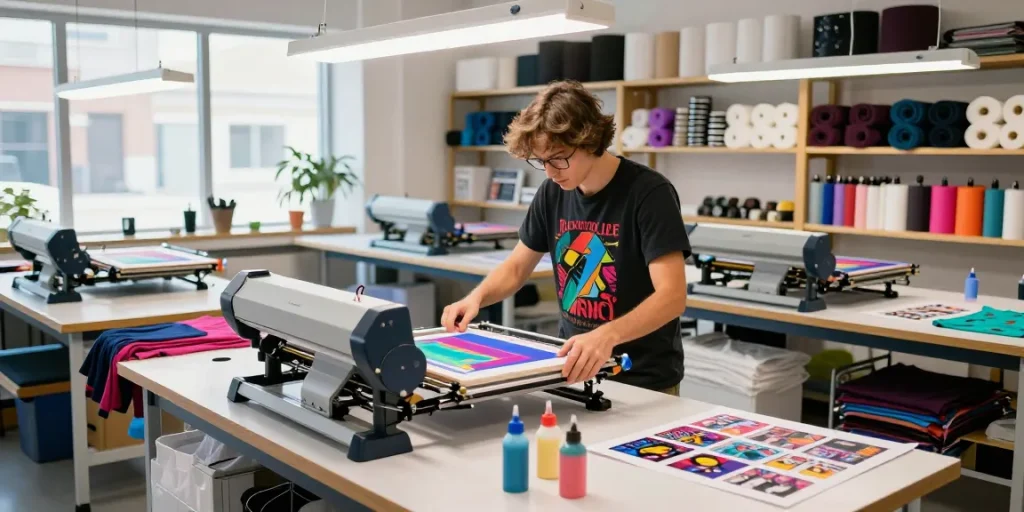
Understanding T-Shirt Printing: Methods and Techniques
T-shirt printing is a dynamic and creative industry that serves as a canvas for self-expression, branding, and promotional activities. Whether for personal wear or corporate events, the right t-shirt can elevate a message and bring it to life. At t-shirt printing, various methods and techniques are utilized to ensure that designs resonate with the audience. As we delve into the world of t-shirt printing, we will explore its definitions, popular methods, and how to choose the right technique based on your specific needs.
What is T-Shirt Printing?
T-shirt printing refers to the process of applying designs, logos, or graphics onto t-shirts using various printing techniques. This art form has evolved significantly over the decades, adapting to new technologies and market demands. T-shirt printing can range from simple text designs to intricate artworks, and is widely used across various sectors including retail, schools, corporate branding, and events.
Popular Printing Methods Explained
There are several popular methods of t-shirt printing, each offering unique advantages depending on the design complexity, order size, and fabric type. Here are the most common techniques:
- Screen Printing: This classic method involves creating a stencil for each color and pushing ink through screens onto the fabric. It’s cost-effective for large runs and delivers vibrant colors.
- Direct-to-Garment (DTG) Printing: A digital method that allows for high-quality, full-color images to be printed directly onto the fabric. Ideal for small orders and designs with numerous colors.
- Heat Transfer Printing: This method involves printing a design onto transfer paper, which is then applied to the shirt using heat. It’s good for small orders with complex designs.
- Direct-to-Film (DTF) Printing: This newer approach allows for designs to be printed onto a special film before being transferred to the fabric, enabling vibrant prints that work well on various materials.
How to Choose the Right Method for Your Needs
Selecting the appropriate printing method for your t-shirt project can significantly impact the final product. When deciding, consider the design’s complexity, the number of colors required, fabric compatibility, and your budget. For example, if you’re looking to produce a high volume of shirts with a simple design, screen printing may be the best choice. In contrast, if you’re working with detailed artworks and smaller quantities, DTG printing might be more suitable.
Factors Affecting T-Shirt Printing Quality
The quality of a printed t-shirt can vary widely based on several key factors. Understanding these elements can help ensure that your finished product meets your expectations.
Understanding Fabric Types and Their Impact
The choice of fabric for your t-shirt plays a crucial role in the overall print quality and wearability. Common fabric options include:
- Cotton: Soft, breathable, and excellent for absorbing ink, making it a favorite for DTG printing.
- Polyester: Commonly used in athletic wear and performs well with sublimation printing, as the dye permanently bonds with the fabric.
- Cotton-Poly Blends: These fabrics combine the benefits of both cotton and polyester, offering durability and comfort.
Choosing the right fabric not only affects comfort but also the durability of the print. Fabrics can also influence how colors appear on the shirt, so it’s essential to consult with printing professionals about fabric options suitable for your design.
Importance of Color Accuracy and Print Clarity
Color accuracy and clarity are vital for achieving the desired aesthetic in t-shirt printing. Poor color matching or blurry prints can diminish the impact of your design. Employing high-resolution images and using color profiles during the design phase can help ensure that the final product remains true to your vision. Additionally, it’s advisable to request a proof before the final print run to catch any potential issues early on.
Common Challenges in T-Shirt Printing and Solutions
While t-shirt printing is an exciting process, it does come with its challenges. Common issues include fading prints, cracking ink, and fabric pilling. Luckily, several solutions can mitigate these problems:
- Choosing high-quality inks: Investing in premium inks can enhance the longevity of prints.
- Proper fabric selection: Ensuring that the fabric is conducive to your chosen printing method can prevent many common issues.
- Regular maintenance of printing equipment: Keeping machinery in top condition helps ensure consistent quality across all prints.
Applications of Custom T-Shirt Printing
Custom t-shirt printing finds utility in various applications, ranging from branding to personal celebrations. Understanding these applications can help you leverage t-shirt printing effectively.
Promotional Events and Marketing Strategies
Businesses often utilize t-shirts as part of their promotional strategies. Custom t-shirts can serve as effective marketing tools during events, providing visibility and brand recognition. They can be given away as promotional items or sold to generate additional revenue.
Creating Custom Uniforms for Businesses
Uniforms not only foster a sense of identity among employees but also promote brand unity. Custom t-shirts can be tailored to fit the branding of the organization, ensuring that staff members present a consistent appearance. Incorporating company logos, slogans, or team colors into the designs can enhance team spirit and professionalism.
Personalizing T-Shirts for Special Occasions
Custom t-shirts can add a unique touch to any special occasion, whether it’s a birthday, wedding, family reunion, or charity event. By allowing individuals to customize their clothing, you create a memorable experience that can strengthen bonds among participants.
Steps in the T-Shirt Printing Process
Understanding the steps involved in the t-shirt printing process can help streamline your project from concept to completion. Here’s a typical workflow:
Initial Order and Design Consultation
The first step is assessing the client’s needs. This includes discussing design ideas, quantities, fabric choices, and budget considerations. A thorough consultation can help shape the direction of the project and ensure alignment with the customer’s vision.
Artwork Preparation and Proofing
Once the design is finalized, it undergoes preparation where it is formatted to suit the chosen printing method. This may involve resizing images, converting file types, or adjusting colors. Following this, a proof is created and sent to the client for approval, ensuring that the final design meets expectations before commencing production.
Final Production and Quality Checks
Upon receiving approval, production begins. This phase involves printing the designs on the selected fabrics. After printing, the t-shirts undergo quality inspection, focusing on print clarity, color accuracy, and fabric integrity. Any discrepancies are addressed before the final product is shipped to the client.
Future Trends in T-Shirt Printing (2026 and Beyond)
As the t-shirt printing industry evolves, it’s essential to stay abreast of future trends that could shape the market. Here are some key areas to watch:
Sustainability in T-Shirt Fabric Choices
Environmental consciousness is more critical than ever, and sustainability is becoming a priority in fabric selection. Consumers are increasingly favoring organic or recycled materials, prompting printing companies to adapt their offerings. Choosing sustainable fabrics not only aids the environment but also appeals to eco-conscious consumers.
Technology Innovations in Printing Techniques
Technological advancements are set to enhance the precision and efficiency of t-shirt printing. Innovations such as automated printing systems and AI-driven design tools can streamline production and reduce costs. Keeping abreast of these technologies may provide competitive advantages in the industry.
Adapting to Market Trends and Customer Preferences
As consumer preferences shift, t-shirt printing companies will need to remain flexible and responsive to new trends. Whether it’s the rise of fast fashion or demands for bespoke designs, staying in tune with the market can help printing businesses thrive.
Frequently Asked Questions (FAQs)
What are the best fabrics for t-shirt printing?
The best fabrics for t-shirt printing largely depend on the printing technique and desired comfort. Cotton is often favored for its softness, while polyester is better for durability and moisture-wicking in active wear.
How long does the t-shirt printing process take?
The turnaround time for custom t-shirt printing can vary based on order size and complexity. Smaller orders may be completed within a few days, while larger batches may require a couple of weeks.
Can I order a single custom t-shirt?
Yes, many t-shirt printing companies, including ours, offer options for single custom t-shirt orders, especially through DTG or heat transfer printing methods.
What customization options are available?
Customization options for t-shirts can include various printing methods, color selections, and fabric types. Companies often provide additional features such as embroidery or special finishes.
Are there bulk discounts for t-shirt orders?
Yes, most t-shirt printing services offer bulk discounts, making it more affordable to order larger quantities. These discounts can vary based on the number of t-shirts ordered and the complexity of the design.