
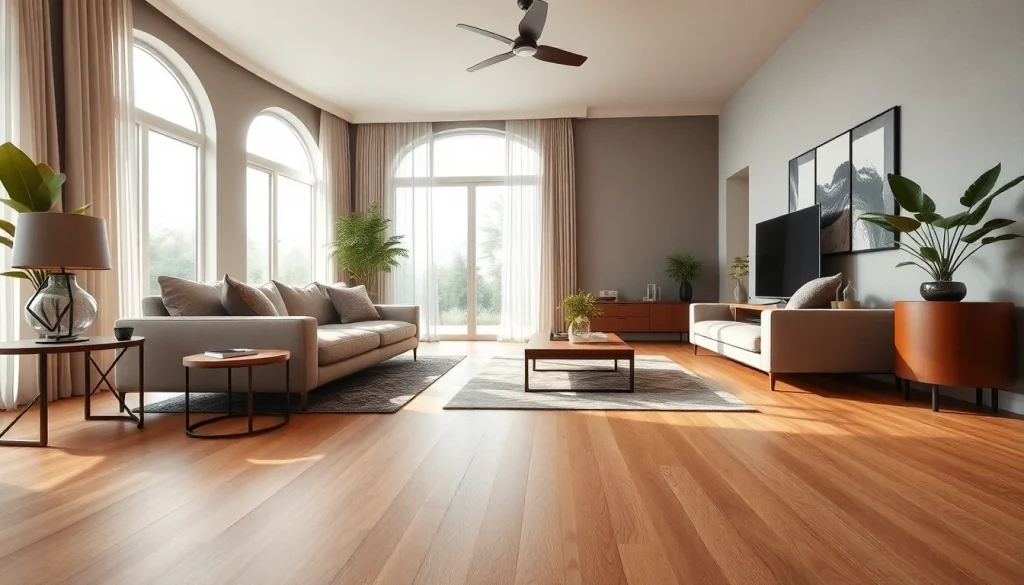
Understanding LVP Flooring Near Me
When considering home improvements or renovations, one element that can dramatically enhance the aesthetic and functionality of your space is flooring. Among the various flooring options available on the market today, Luxury Vinyl Plank (LVP) flooring has gained significant popularity for its versatility, durability, and appealing appearance. If you are exploring options, you might want to search for lvp flooring near me to find the best local solutions to meet your flooring needs.
What is LVP Flooring?
LVP flooring stands for Luxury Vinyl Plank flooring, a type of flooring made of several layers of synthetic materials that simulate the look of hardwood, stone, or ceramic flooring. Typically, it consists of a backing layer, a waterproof core, a printed design layer, and a transparent wear layer that provides protection against scratches and stains. What distinguishes LVP from traditional vinyl is its thicker, more rigid construction that enhances stability and comfort underfoot.
Benefits of LVP Flooring
- Water Resistance: One of the main advantages of LVP flooring is its ability to withstand moisture, making it ideal for bathrooms, kitchens, and basements.
- Durability: LVP is designed to endure heavy foot traffic, resist scratches, and reduce noise, which makes it an excellent choice for families with pets or children.
- Aesthetic Variety: With a wide range of designs, colors, and textures, LVP can mimic natural wood or stone, providing luxurious aesthetics without the maintenance.
- Installation Flexibility: LVP can be installed as a floating floor, glued down, or locked into place, which allows for easy installation over existing floors.
- Cost-Effective: Compared to traditional hardwood or ceramic tiles, LVP flooring is often more affordable while providing similar appearances and durability.
How to Choose the Right Style
Choosing the right style of LVP flooring involves considering several factors, including the room’s layout, existing decor, and personal preferences. Take time to explore various textures, color tones, and finishes to ensure that the selected flooring complements your overall interior design. Additionally, consider the intended use of the space, as that will influence your selection. For instance, high-traffic areas may require a more durable finish, while a soft, luxurious look may be suitable for bedrooms.
LVP Flooring Options and Styles
Popular Designs
When it comes to popular designs in LVP flooring, there are generally two main trends: wood-look and stone-look. Wood-look LVP is designed to replicate the appearance of real hardwood, including its grain patterns and textures, making it a popular choice for traditional and contemporary homes alike. Stone-look options, on the other hand, provide a sleek appearance reminiscent of natural stones like slate or marble, thereby offering a more modern aesthetic.
Color Choices
The color choices in LVP flooring are abundant, ranging from light oak and maple shades to dark walnut, grey tones, and even whitewashed finishes. Light-colored planks often work well in smaller spaces, creating an illusion of spaciousness and brightness, while dark shades tend to lend a sense of warmth and coziness, enhancing the room’s elegance. Assess your lighting conditions and existing color schemes to choose the most appropriate color that resonates with your personal style.
Texture and Finish Variations
The texture and finish of your LVP flooring can significantly affect the overall feel of the space. Smooth finishes are great for modern settings and easy upkeep, while textured finishes provide a more authentic wood or stone-like feel. Textures can also enhance slip resistance, making them suitable for areas prone to moisture, such as bathrooms and kitchens. Experimenting with different finishes can elevate your home’s comfort while being aesthetically pleasing.
Installation Tips for LVP Flooring Near Me
Preparation Steps Before Installation
Before embarking on the installation process, it is essential to prepare the area adequately. Start by removing any existing flooring and thoroughly clean the subfloor to ensure a smooth surface. It is crucial to address any repairs needed on the subfloor, like fixing uneven surfaces or filling in small cracks. Additionally, allow the LVP planks to acclimate to the room temperature for at least 48 hours before installation, as this ensures they adjust to the environment, preventing warping or buckling.
Professional vs. DIY Installation
When it comes to installing LVP flooring, you may have the option to tackle the project yourself or hire a professional. If you’re handy and have the right tools, DIY installation can save you money and allow you complete control over the process. However, if you prefer a flawless finish or lack the necessary tools, opting for professional installation is advisable. Experts often have significant experience, ensuring that the flooring is laid correctly and efficiently.
Maintenance Post-Installation
Once your LVP flooring is installed, maintaining its beauty is paramount. Regular sweeping and vacuuming will help prevent dirt and debris from scratching the surface. For deeper cleaning, use a damp mop with a pH-neutral cleaner specifically designed for vinyl flooring. Avoid harsh chemicals or abrasive cleaners that can cause damage. It’s also advisable to place rugs in high-traffic areas to protect your floor and prolong its lifespan.
Comparing LVP Flooring to Other Flooring Options
LVP vs. Hardwood Flooring
One of the most significant considerations for homeowners is the choice between LVP flooring and traditional hardwood. While hardwood provides a classic look and has excellent longevity, it can be quite expensive and requires regular maintenance, including refinishing. LVP, in contrast, mimics the appearance of hardwood but at a more affordable price point, with better resistance to scratches, moisture, and heavy traffic.
LVP vs. Tile Flooring
Tile flooring is another popular option, particularly in moisture-prone areas. While tiles are highly durable and water-resistant, they can feel cold and hard underfoot. LVP offers a softer, warmer alternative, which can provide comfort in living areas and bedrooms. In terms of installation, LVP usually requires less labor and skill than traditional tile, making it an appealing DIY project for many homeowners.
Cost Analysis of Flooring Options
When evaluating different flooring options, it is essential to consider both the material costs and installation expenses. LVP typically ranges from $2 to $7 per square foot, depending on quality and style, while the cost of hardwood can vary from $5 to $15 per square foot. Tiles can also vary widely, with prices around $1 to $20 per square foot based on the material used. Additionally, labor costs can increase the overall expense, particularly for hardwood and tile installations. Overall, LVP is often the most budget-friendly option without compromising on aesthetics or functionality.
Frequently Asked Questions
How durable is LVP flooring?
LVP flooring is highly durable, resistant to scratches and water, making it ideal for busy areas, including homes with children and pets.
Can LVP flooring be installed over existing floors?
Yes, LVP can be installed directly over most existing floors, provided they are clean and level, facilitating a smoother installation process.
Is LVP flooring easy to maintain?
Yes, LVP requires minimal maintenance, typically only needing regular sweeping and occasional mopping to keep it looking fresh.
What is the lifespan of LVP flooring?
High-quality LVP can last between 15 to 25 years, depending on usage, care, and the specific manufacturing process of the product.
Can LVP flooring be used in bathrooms?
Absolutely, LVP is waterproof, making it suitable for bathrooms and other moisture-prone areas, contributing to a seamless look throughout your home.